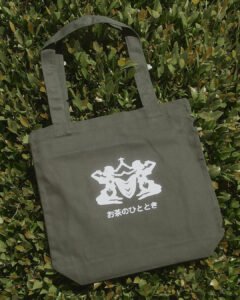
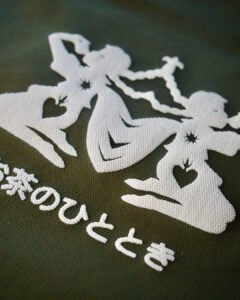
お茶のひととき means “a moment just for you, a moment for tea.”
Created with Gentle Fool Studios, this tote carries Isabelle Suten’s hand-cut artwork and a simple reminder to slow down, carry what you need, and have a nice tea.
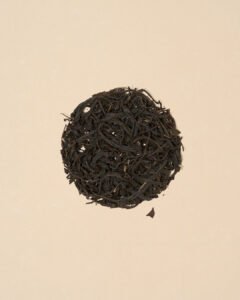
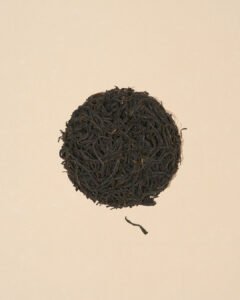
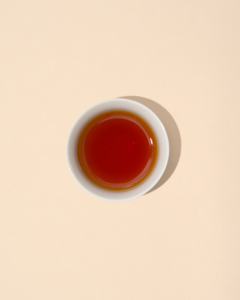
Grown in a dedicated black tea plot with minimal fertilizer. The garden is sparse enough that it is sometimes mistaken for abandoned. The low-input soil allows the cultivar’s natural aromatics to develop fully, producing a black tea unlike anything coming from heavily managed plots. The result is a sweet aroma with a sharp, citrus-bright finish that cuts clean like cypress. Versatile enough to pair with everything from a sweet pastry to a savory curry and full-bodied enough to hold up beautifully in milk.
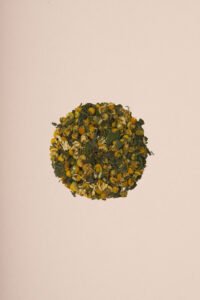
The most comforting blend in the lineup: chamomile, peppermint, and fennel seed, working together the way they have in traditional herbalism for centuries. Chamomile calms the body and the belly; mint refreshes and clears; fennel eases tension and digestive discomfort. Made for stressful moments and anyone who needs a cup that feels like a hand on the shoulder.
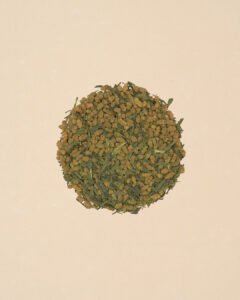
The most comforting tea in the lineup. Organic sencha and matcha blended with roasted brown rice from Kyushu. The warm, nutty fragrance of the rice meeting the grassy notes of the sencha in a combination that has been settling people down for generations. The matcha adds a mellow richness that rounds out the roasted grain notes, making it approachable for anyone from children to elderly drinkers.
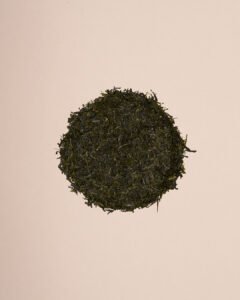
This is the kind of sencha you reach for without thinking: silky on the palate, with a natural sweetness balanced by gentle vegetal notes that linger softly without overstaying. Kirari 31 is a cultivar prized for its exceptional balance of umami and sweetness and its notably smooth mouthfeel. It is a forgiving, approachable sencha that performs consistently across preparation styles.
Made from the Koshun cultivar, known for its natural floral and fruity aromatics, and grown without pesticides or chemical fertilizers at 600 meters above sea level in the mountains of Yabe. The altitude slows growth, concentrates flavor, and keeps pests at bay naturally, allowing the tea to develop at its own pace. Medium oxidation brings out a mellow sweetness and gentle umami, layered with fruity note.
Japanese mintBlack peppermintBergamot mintSpearmint
Four mints, one cup. Japanese mint (Wa-hakka), black peppermint, bergamot mint, and spearmint, blended from herbs harvested and dried entirely on the farm. The low-temperature drying process preserves the volatile oils that evaporate quickly in commercial processing. The end result is a tea that tastes the way fresh mint smells rather than the way dried mint usually does. Clean, bright, and endlessly refreshing.
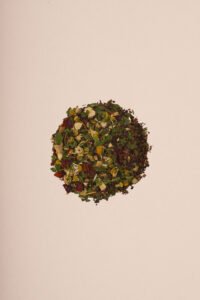
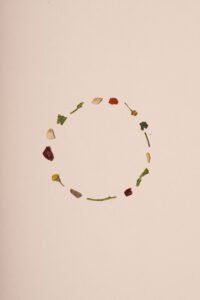
Rose hipHibiscusHoneybushRooibosChamomileMulberry leafGinger
A ruby-red blend built for mornings and movement. The rose hip and hibiscus give a bright, citrus-forward tartness, softened by the warm sweetness of the rooibos. Chamomile adds a floral depth, and the ginger warms the body from the inside out. The result is a tea that is refreshing and gently energizing without caffeine. Equally good at breakfast, alongside a meal, or iced in summer.
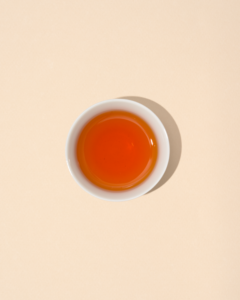
Sayamakaori is a cultivar known for its bold flavor and an aromatic potential. Processed with care through spring harvest and medium oxidation, it becomes something smooth and approachable: mellow on the palate, fruity in the aroma, and clean in the finish. Low astringency, naturally sweet. The kind of Japanese black tea that’s easy to drink straight.
Produced using the same technique behind Taiwan’s celebrated honey black teas, careful oxidation brings out a natural honey sweetness and a delicate floral character.
This blend is softly aromatic with minimal tannins. It is made entirely from cultivars grown in Saitama.
The composition changes each year and may include up to nine Saitama-bred cultivars, depending on what was ready for black tea production at harvest. Each batch becomes a one-season expression of the region’s distinctive genetics.
Made from Benihikari and blended with the dried peel of Keraji mandarin orange, a rare citrus grown only on Kikaijima Island in Japan’s far south. The Keraji isn’t bergamot. It’s something more floral, carrying notes of wildflowers and sansho leaf that layer over the black tea’s natural depth. The “K” in Earl Key is for Keraji, our producer’s answer to Earl Grey.
Sencha from Mie Prefecture blended with roasted brown rice. The sencha brings a clean, grassy freshness, while the rice adds nutty sweetness and a warm toasted-grain aroma. Lighter and cleaner than our Genmaimatcha, with the green tea character more present and the overall cup more refreshing. It is easy to enjoy alongside a meal or on its own.
This hojicha is made in Mie Prefecture from the stems of tencha, the carefully shaded leaf used to make matcha. Roasting opens it into something entirely different, with a high, toasty aroma reminiscent of barley tea and no bitterness. The flavor is intentionally light, clean, and thirst-quenching rather than rich or heavy. Enjoy it alongside a meal, after grilled dishes, with sweets, or chilled over ice in summer.
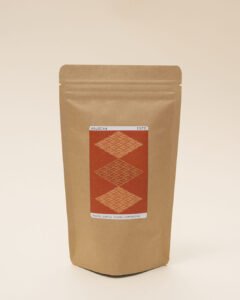
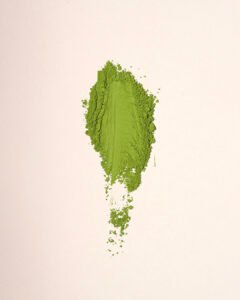
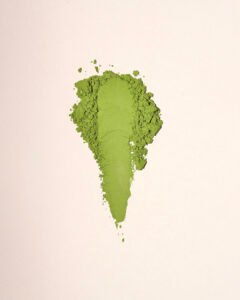
A first vintage is something you only get once. This is the first time this farm has produced matcha from Kirari 31, a cultivar typically reserved for sencha and gyokuro, prized for its vivid color and rich umami. Shaded for 30 days and stone-milled, it brings something unexpected to the matcha format: a clean, straightforward sweetness with no unpleasant aftertaste, and a faintly sencha-like aroma, a refreshing lift that sets it apart from anything else in the lineup. Smooth, approachable, and genuinely original.
Its deep, luminous green speaks first, a color that reflects 30 days of shading and the cultivar’s naturally rich chlorophyll. Sophisticated and well-rounded, with a bitterness characteristic of Okumidori balancing a full, sweet umami. It’s a matcha that is versatile and balanced. Suited to thin tea at a ceremony, or a well-made latte.